



Multicenter Clinical Study on the "New Four Thrombosis Markers" Released
-

2026-09-02
-

Company News
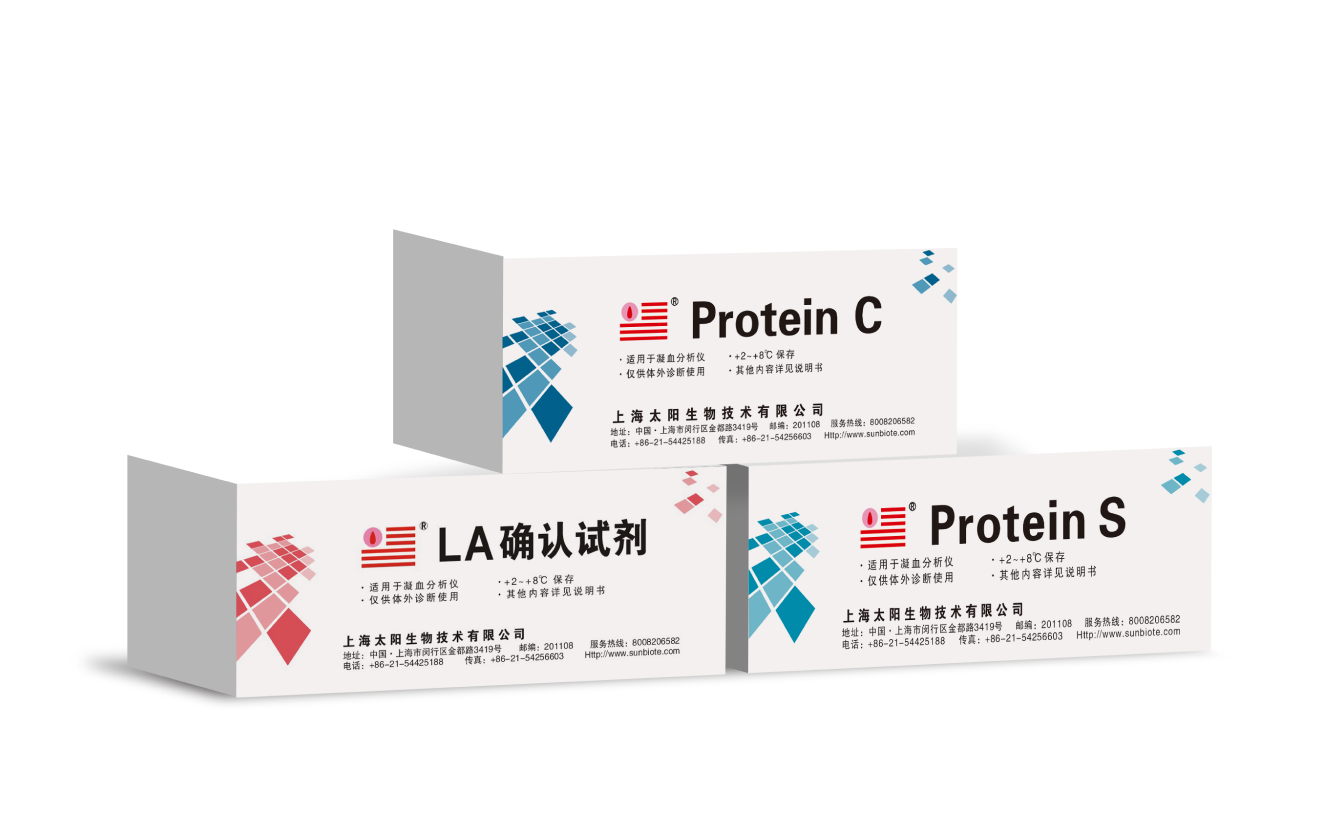
A multicenter clinical study jointly conducted by Tongji Hospital of Tongji Medical College, Huazhong University of Science and Technology, the Second Affiliated Hospital of Soochow University, and Shanghai Zhongye Hospital has been successfully completed. The study performed a comprehensive validation of the "New Four Thrombosis Markers" detection kit developed by Shanghai Sun Biotech Co., Ltd., with the related findings now finalized.
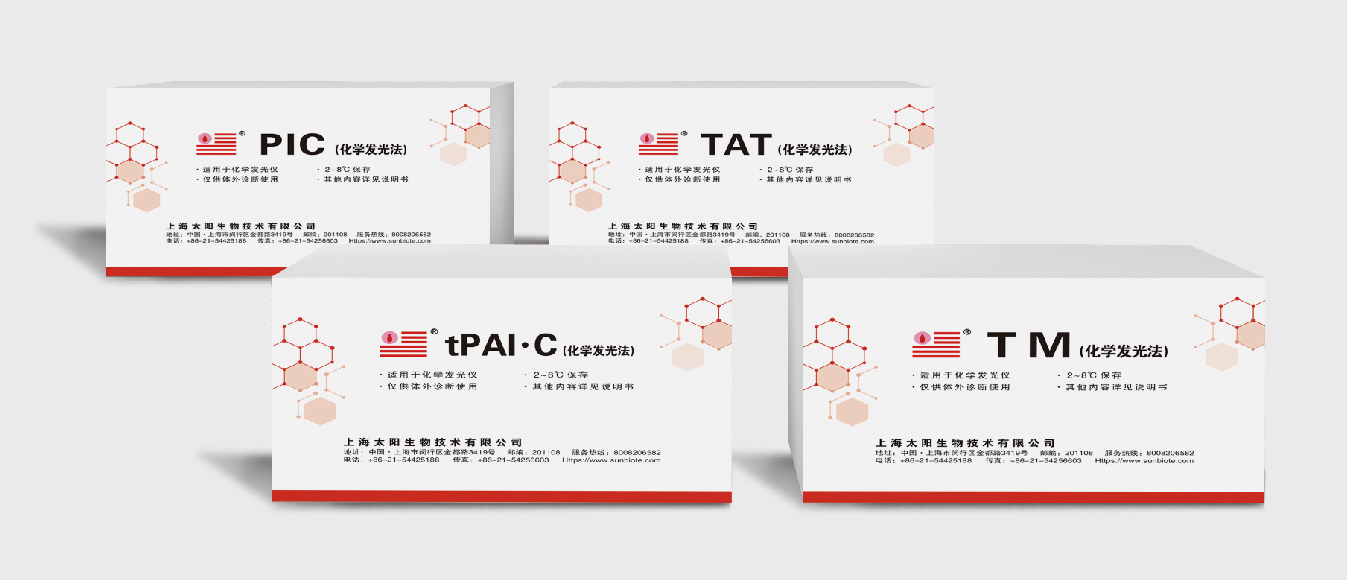
The "New Four Thrombosis Markers" consist of Thrombin-Antithrombin Complex (TAT), Plasmin-α2 Plasmin Inhibitor Complex (PIC), Thrombomodulin (TM), and Tissue Plasminogen Activator-Inhibitor 1 Complex (tPAI•C). These markers directly reflect thrombus formation, the extent of vascular endothelial injury, and the activity of the fibrinolytic system. They hold extremely high clinical value for the early diagnosis, risk assessment, therapeutic monitoring, and prognosis evaluation of thrombotic diseases.
Establishment of Reference Interval
To establish a reference standard suitable for the Chinese population, the study enrolled a sufficient number of healthy volunteers, covering ages from 20 to 79, with balanced gender distribution and good population representativeness. Using standardized testing procedures and rigorous data analysis methods, the study established reference intervals for the Chinese population. Notably, for the tPAI•C marker—which shows significant gender differences—the research team established gender-stratified reference intervals, providing clinical laboratories with scientific and reliable diagnostic benchmarks.
Clinical Validation: Covering Complex Scenarios with High Precision and Reliability
The series of studies cumulatively enrolled 1,124 clinical samples, spanning an age range from 4.9 to 92 years, and extensively covered complex clinical scenarios including Disseminated Intravascular Coagulation (DIC), Venous Thromboembolism (VTE), cardiovascular and cerebrovascular diseases, and thrombolytic therapy. The trial results demonstrated that even under interfering conditions such as jaundice, lipemia, and hemolysis, the kit maintained excellent clinical diagnostic value and outstanding anti-interference capability across different age groups and complex disease states.
These research findings fully confirm that the "New Four Thrombosis Markers" kit possesses prominent diagnostic efficacy in pre-thrombotic state warning, DIC classification, and thrombolytic therapeutic monitoring. This marks a new milestone for Shanghai Sun Biotech in the field of precision diagnosis and treatment.