














Multi-Center Clinical Study for Protein S Released
-

2026-03-06
-

Company News
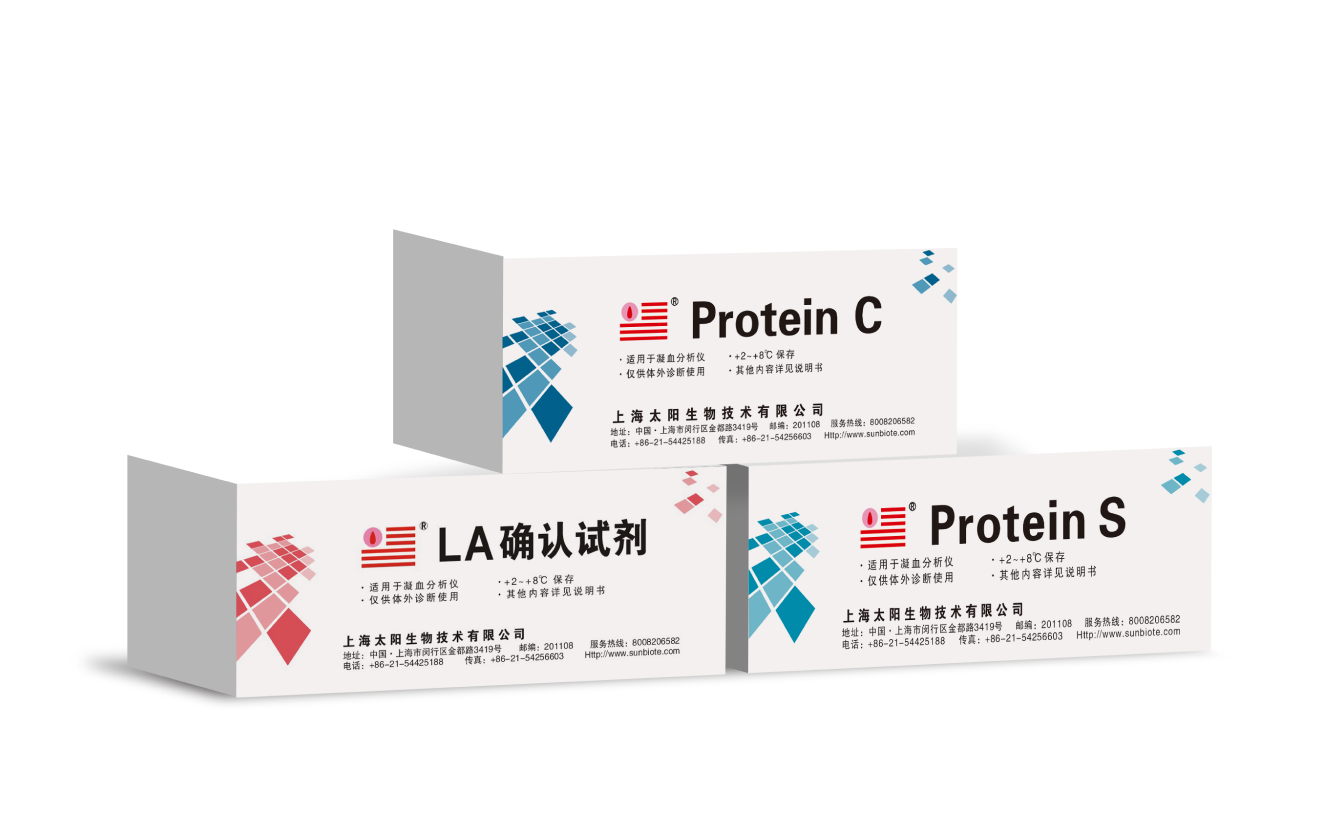
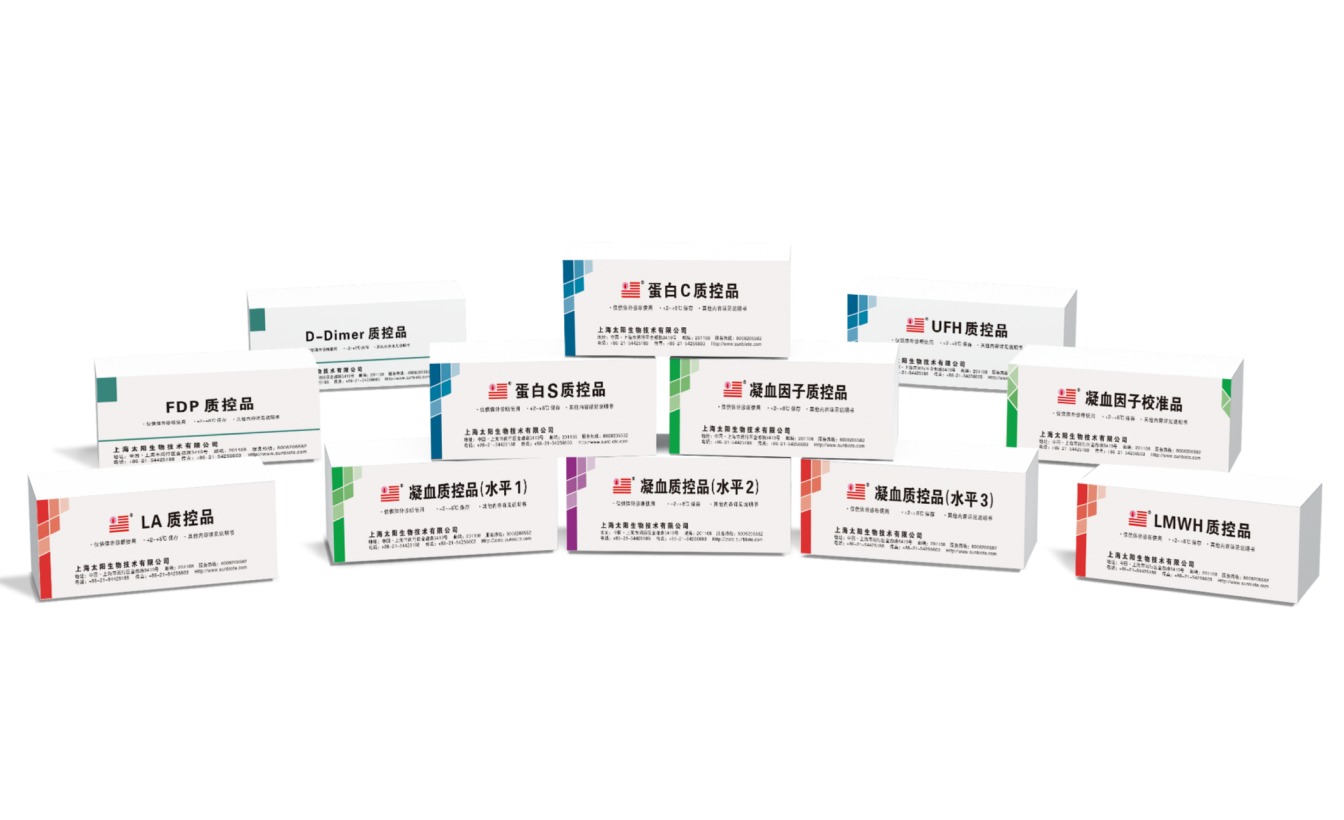
Peking University People's Hospital, in collaboration with Tongji Hospital, Tongji Medical College of HUST, the Third Affiliated Hospital of Guangzhou Medical University; Anhui Chest Hospital; and Zhejiang Provincial Hospital of Traditional Chinese Medicine, has jointly completed a multi-center clinical study on Protein S assay kit developed by SUNBIO. The study systematically established a reference interval for the Chinese population and conducted a rigorous clinical performance evaluation.

Establishment of Protein S Reference Interval
The study included 171 samples from a healthy population representative in terms of age and gender. Through scientific design and rigorous validation, the Protein S reference interval was ultimately established as 64.5%–144.9%, providing a more suitable assessment standard for Chinese population.
Clinical Study on Protein S
The study included a total of 859 samples covering conditions such as hereditary and acquired Protein S deficiency, hemorrhagic diseases, and thrombotic diseases, with participants' ages ranging from 2 to 92 years. The results indicate that the Protein S assay kit provides accurate and stable performance, effectively supporting the clinical assessment of Protein S activity levels.
As a key anticoagulant protein in the human body, decreased activity of Protein S would lead to an imbalance between the coagulation and anticoagulation systems, resulting in thrombosis. Therefore, precise measurement of Protein S activity in plasma is crucial for the prevention, diagnosis, treatment, and long-term management of thrombotic diseases. The release of the study finding signifies a further enrichment and improvement of SUNBIO's product portfolio in the field of coagulation function testing. It also provides a reliable basis for the standardized diagnosis and treatment of thrombotic diseases in China, contributing to the enhancement of detection standardization and clinical management for related diseases.


