








Clinical Research Results of Anti-Xa Assay Reagents Published
-

2026-02-05
-

Company News
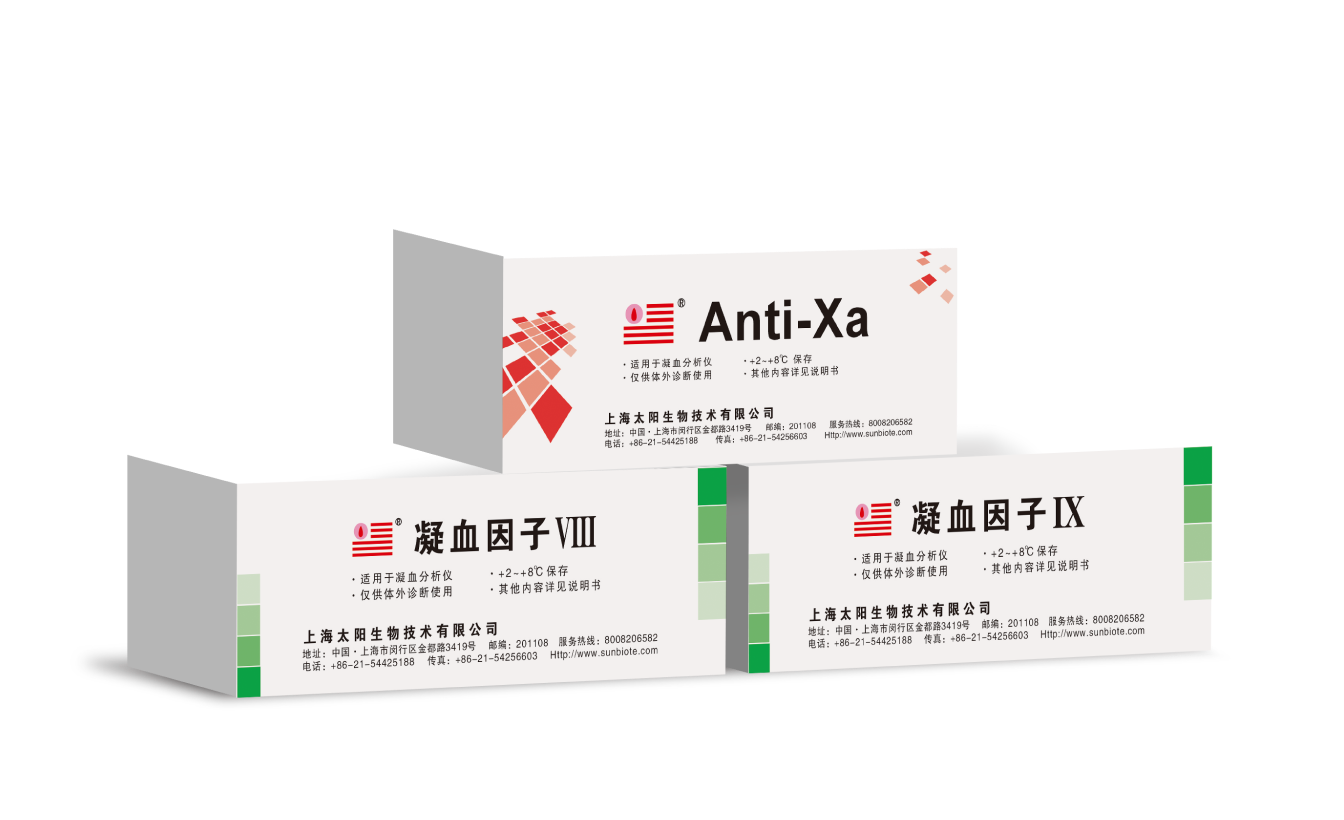
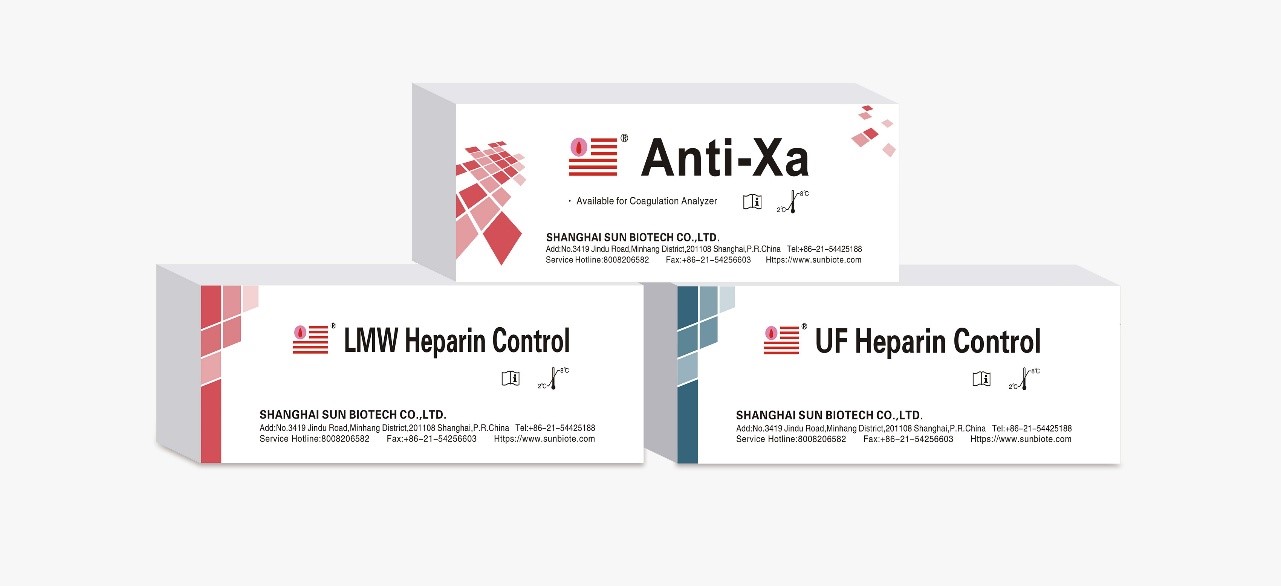
The clinical study for the Anti-Xa Assay Kit developed by Shanghai Sun Biotech Co., Ltd. was successfully completed in collaboration with The Second Hospital of Anhui Medical University and Shanghai MCC Hospital. This study comprehensively validated the product's clinical detection performance in real-world environments and its application value across diverse anticoagulant therapy scenarios.
Broad Sample Coverage Across Major Anticoagulant Therapy Populations
The study enrolled a total of 269 samples with patient ages ranging from 19 to 96 years. The cohort covered populations undergoing therapy with the two primary clinical anticoagulants: Low Molecular Weight Heparin (LMWH) and Unfractionated Heparin (UFH).To rigorously validate the assay's anti-interference capability, the study specifically included 22 samples exhibiting lipemia, icterus, and hemolysis. The results demonstrated that the Anti-Xa reagent maintained exceptional analytical performance across varying sample types, exhibiting outstanding correlation and concordance with mainstream international reagents.
Reliable Performance at Medical Decision Levels to Meet Monitoring Needs
Anti-Xa activity determination is a critical tool for monitoring the anticoagulant effects of heparin-based drugs. Guided by the Chinese Expert Consensus on Enoxaparin in Acute Coronary Syndrome Anticoagulant Therapy and the Expert Consensus on Clinical Monitoring of Heparin Drugs, this study performed bias analysis at key clinical medical decision levels: For LMWH: 0.5 IU/mL and 1.5 IU/mL (boundaries of the effective therapeutic range). For UFH: 0.3 IU/mL and 0.7 IU/mL (boundaries of the target therapeutic range).
The findings confirm that the detection bias of the Shanghai Sun Biotech Co., Ltd.Anti-Xa Assay Kit at these critical medical decision levels falls strictly within acceptance limits. This validates the product's ability to provide precise, reliable evidence for clinical dosage adjustment and therapeutic efficacy assessment.


